Source Polished Natural Stone Crystal Bracelet for Decoration, Gift, and Health
Compare 30 listings of polished natural stone crystal bracelet options suitable for decoration, gifts, and health purposes. Buyers can review variations in stone type, size, and customization to find the right supplier for informal or formal occasions.
Key considerations
Products List


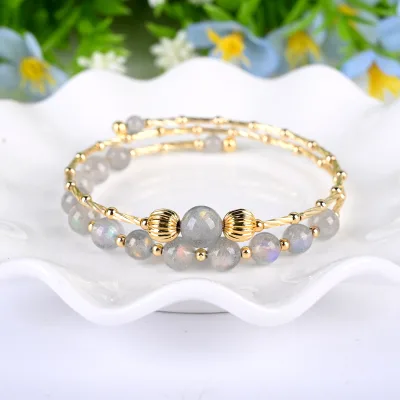
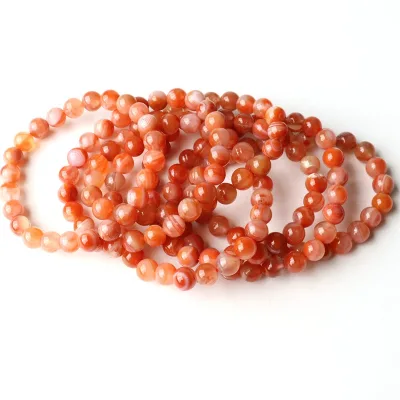
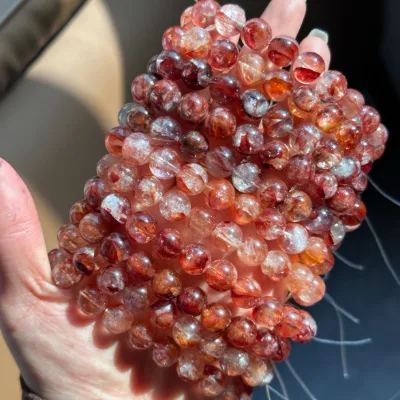


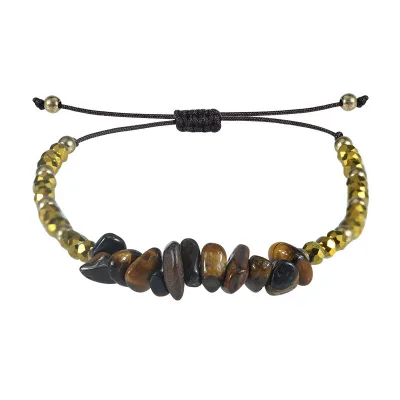


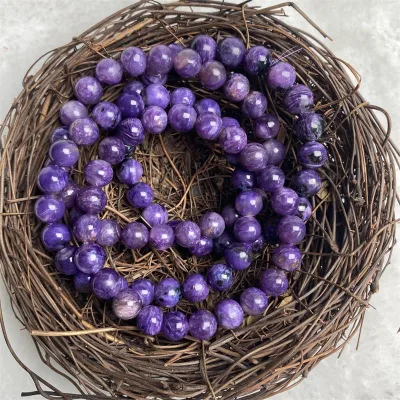


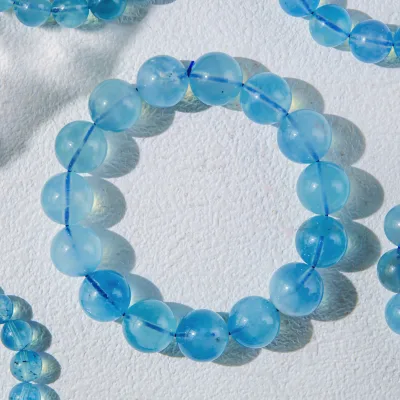
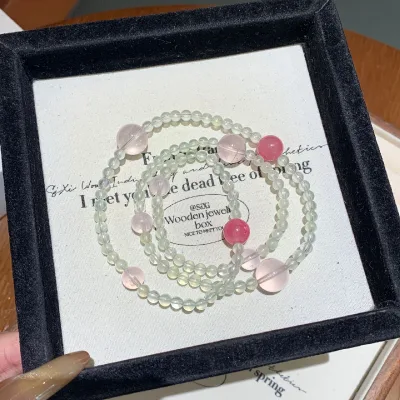
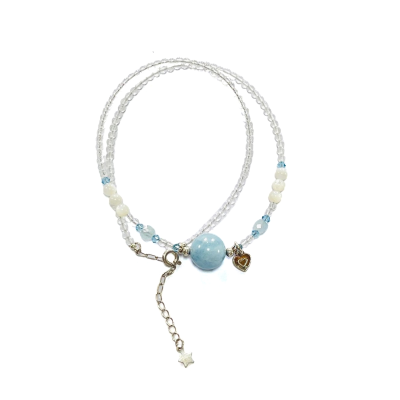
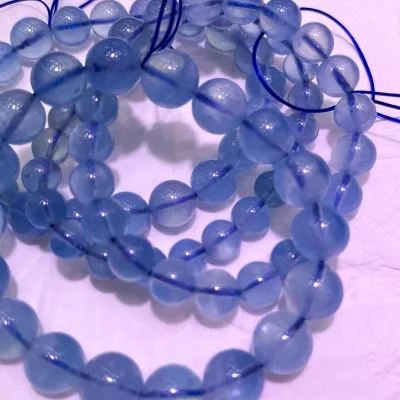
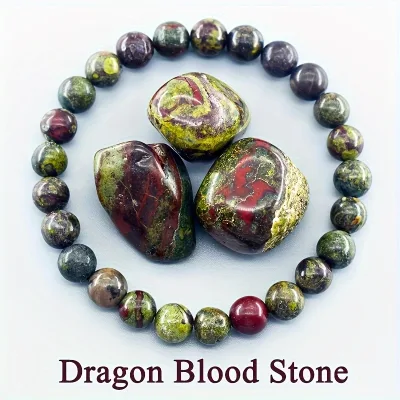
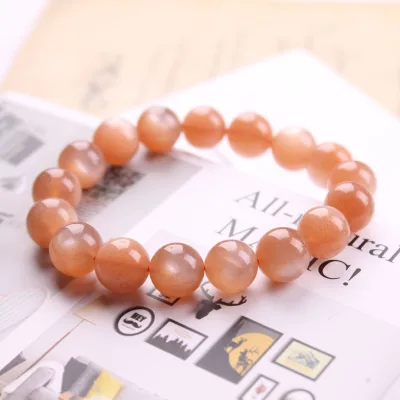
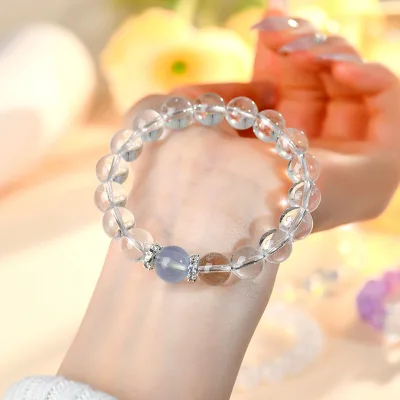
Comprehensive Sourcing Guide
Strategic Sourcing Guide for Polished Natural Stone Crystal Bracelets
Understanding Product Specifications and Material Variability
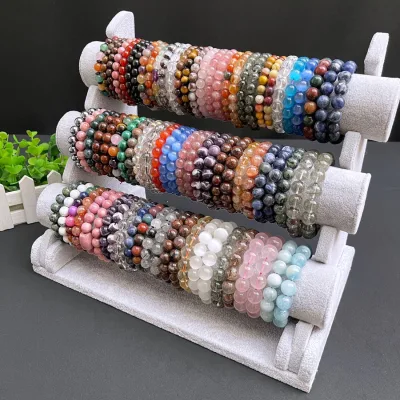
When sourcing polished natural stone crystal bracelets, buyers must first navigate the inherent variability in product attributes. The market presents a diverse range of specifications that define the final product's aesthetic and functional value. Based on observed market data, the primary material composition frequently centers on crystal and jade, with specific stone types including Tiger Eye, Rose Quartz, Amethyst, and Fire Quartz. These materials are often processed into specific shapes, ranging from standard round beads to irregular shapes and spacer configurations.
The physical dimensions of the beads are a critical technical specification that directly influences the bracelet's weight and visual density. Observed stone sizes vary significantly across different product models, with common bead diameters recorded at 6mm, 8mm, 10mm, and ranges spanning 6-7mm or 8-10mm. The overall length of the finished bracelet is another essential metric, with standard lengths typically observed at 7 inches (approximately 18 cm) or 7.5 inches. Some products are designated as "One Size," while others adhere to specific standard lengths like 7" or 7.5". Buyers should verify that the supplier provides a clear breakdown of bead size versus total length, as a 7-inch bracelet with 10mm beads will have a different fit and aesthetic than one with 6mm beads.
The following table summarizes the observed specification ranges for polished natural stone crystal bracelets to assist in initial product filtering:
| Specification Category | Observed Range / Options | Notes for Verification |
|---|---|---|
| Primary Material | Crystal, Jade | Verify natural stone content vs. synthetic alternatives. |
| Stone Types | Tiger Eye, Rose Quartz, Amethyst, Fire Quartz, Grey Moonstone | Confirm specific stone color and variety. |
| Bead Shape | Round Bead, Irregular Shape, Spacer | Determine if uniformity or natural irregularity is required. |
| Bead Size | 4mm, 6mm, 7mm, 8mm, 10mm, 6-7mm, 8-10mm | Check if size is consistent across the batch. |
| Total Length | 7", 7.5", 18CM | Verify if this includes clasp or is the string length. |
| Weight | Approx. 20g | Weight can vary based on stone density and bead count. |
| Color Palette | Multicolour, Green, Crystal Grey | Ensure color consistency matches the design intent. |
Compliance, Certification, and Safety Standards
For B2B procurement, particularly in the jewelry sector, compliance with international safety standards is non-negotiable. The supply chain for polished natural stone crystal bracelets must adhere to strict regulations regarding heavy metals and chemical safety. Buyers should explicitly verify that suppliers possess valid certifications from recognized third-party testing bodies. Observed market data indicates that compliant suppliers often hold certifications such as BSCI, SGS, BV, and Intertek. These certifications validate that the manufacturing processes and final products meet specific social and environmental standards.
A critical component of safety compliance is the testing of materials for harmful substances. Jewelry items, including bracelets, are subject to rigorous testing for nickel and lead content. Buyers must demand test reports confirming that the products are Nickel & Lead Free. This is particularly important for bracelets worn in close contact with the skin, as prolonged exposure to heavy metals can cause allergic reactions or health issues. The absence of these toxins is a baseline requirement for selling in major markets like the European Union and North America.
Furthermore, the origin of the products plays a role in compliance. A significant portion of the observed supply originates from China. While this is a major manufacturing hub, it necessitates a thorough due diligence process regarding the supplier's ability to navigate export regulations and maintain consistent quality control. Buyers should not assume that all products from a specific region automatically meet international standards; instead, they must request current, batch-specific test certificates for every order. The presence of OEM and ODM capabilities also suggests that suppliers can adapt their compliance protocols to meet specific buyer requirements, but this must be documented in the contract.
Cost Drivers and Pricing Dynamics
The pricing structure for polished natural stone crystal bracelets is influenced by a complex interplay of material costs, labor intensity, and customization requirements. The observed price range in the market spans from $0.59 to $59.90 USD, reflecting the vast difference between mass-produced, simple designs and high-end, customized pieces. Several key factors drive these costs.
First, the type and quality of the stone are primary cost determinants. Natural stones like Jade, Tiger Eye, and Fire Quartz vary in rarity and processing difficulty. A bracelet featuring rare, high-clarity stones will command a higher price point than one using common, mass-produced beads. Second, the bead size and shape affect production time. Irregular shapes or larger beads (e.g., 10mm) may require more labor to drill and polish compared to standard 6mm round beads. Third, customization is a significant cost driver. The market data confirms that customization is available, and suppliers can create packaging according to customer requests. Custom packaging, unique stone combinations, or specific branding elements will increase the unit cost.
The Minimum Order Quantity (MOQ) also impacts the effective cost per unit. The observed MOQ range is between 1 and 1000 units. Buyers purchasing at the lower end of the MOQ spectrum (e.g., 1-100 units) will likely face a higher per-unit price due to the fixed costs of setup and labor. Conversely, larger orders allow for economies of scale, potentially lowering the cost per bracelet. However, buyers must balance this with inventory holding costs. The weight of the product, observed at approximately 20g per unit, also influences shipping costs, which can be a hidden variable in the total landed cost.
Typical Applications and Target Markets
Polished natural stone crystal bracelets serve multiple functions, making them versatile products for various market segments. The primary applications identified include decoration, gifting, and health-related usage. As decorative items, these bracelets are designed to enhance personal style, often aligning with "Natural" and "Simple" aesthetic trends. The "Spacer" style and "Irregular Shape" options cater to buyers seeking a bohemian or organic look, while "Round Bead" and "Simple" styles appeal to a more classic or minimalist audience.
The gifting application is particularly strong. The product attributes explicitly list "Gift" as a primary usage, supported by the availability of customized packaging. This makes the bracelets suitable for corporate gifts, promotional items, or personal presents for special occasions. The market data indicates suitability for both "Informal Occasions" and "Formal Occasions," suggesting that the product line is broad enough to cover casual wear and more dressed-up events. This versatility allows buyers to target a wide demographic, including both male and female consumers.
Additionally, the "Health" usage attribute points to a niche market segment interested in the metaphysical or wellness properties of stones like Rose Quartz and Amethyst. While buyers should be cautious not to make unverified medical claims, acknowledging this consumer interest can help in marketing and positioning the product. The "Multicolour" and specific stone color options (Green, Crystal Grey) further expand the potential for targeting different fashion trends and cultural preferences.
Supplier Evaluation and Operational Capabilities
Selecting the right supplier requires a deep dive into their operational capabilities and flexibility. A robust supplier for polished natural stone crystal bracelets should demonstrate strong OEM and ODM acceptance, allowing for custom designs and branding. The ability to customize packing, such as providing "One Psc with One OPP Bag" or tailored packaging solutions, is a key indicator of a supplier's readiness to meet specific buyer needs.
Buyers should evaluate suppliers based on their standard production capabilities. The observed standards include specific lengths like 7" and 7.5", and specific models like ESB012165, ESB012156, and TRSL0714042. While these model numbers are specific to certain listings, they indicate that suppliers maintain a structured inventory or production line. A reliable supplier will be able to provide a comprehensive catalog of these models and explain the differences in materials and specifications.
Quality consistency is another critical factor. Since the product involves natural stones, variations in color and shape are inherent. However, a good supplier will have processes to minimize unacceptable variations. The presence of certifications like BSCI, SGS, BV, and Intertek suggests a commitment to quality management systems. Buyers should request samples to verify the finish of the polishing, the strength of the stringing, and the accuracy of the bead sizes before committing to a large order.
Quality Control Protocols and Inspection Strategies
Implementing a rigorous quality control (QC) protocol is essential to mitigate risks associated with natural stone products. The inspection process should cover material authenticity, dimensional accuracy, and finish quality. Buyers must verify that the stones are indeed natural and not synthetic imitations, as this affects the product's value and marketability.
Dimensional checks are vital. Inspectors should measure the bead size to ensure it falls within the specified range (e.g., 6mm vs. 8mm) and verify the total length of the bracelet (7" or 7.5"). Inconsistent bead sizes can lead to an uneven appearance and a poor fit. The weight of the bracelet should also be checked against the expected standard, such as the observed 20g, to ensure that the density of the stones is consistent.
Finish and durability are equally important. The polishing should be smooth to prevent skin irritation, and the stringing must be secure to prevent breakage. For bracelets with "Spacer" designs or irregular shapes, the alignment and spacing of the beads should be consistent. Additionally, the testing for Nickel and Lead content must be verified through third-party reports for every batch. Buyers should consider hiring a third-party inspection agency to conduct pre-shipment inspections, focusing on these critical quality parameters to ensure the final product meets the agreed-upon specifications.
Long-Term Procurement and Supply Chain Considerations
Sourcing polished natural stone crystal bracelets is not just a transactional activity but a long-term strategic partnership. Buyers should consider the scalability of their supplier's production capabilities. As demand grows, the supplier must be able to maintain quality and meet lead times. The observed MOQ range of 1 to 1000 units suggests flexibility, but buyers should negotiate terms that allow for scaling up without significant price increases or quality degradation.
Sustainability and ethical sourcing are becoming increasingly important in the jewelry industry. The BSCI certification mentioned in the data indicates a focus on social compliance, which is a positive signal for long-term partnerships. Buyers should continue to monitor the supplier's adherence to these standards and encourage further improvements in environmental practices.
Finally, the relationship with the supplier should be built on clear communication and documentation. All specifications, including stone types, bead sizes, and packaging requirements, should be clearly defined in the purchase order. The ability of the supplier to accommodate custom requests and provide detailed product data will be crucial for maintaining a competitive edge in the market. By focusing on these long-term considerations, buyers can build a resilient supply chain that delivers high-quality polished natural stone crystal bracelets consistently.
FAQs
What materials are used for polished natural stone crystal bracelets?
These bracelets are primarily made from natural crystal and jade materials. Specific stone types include Tiger Eye, Rose Quartz, Amethyst, and Fire Quartz, often processed into round or irregular bead shapes.
Can buyers request custom packaging for these bracelets?
Yes, customization is available including specific packing requests. Suppliers can provide options like one piece per OPP bag or tailor packaging according to customer requirements for branding or gifting purposes.
Which certifications ensure safety for these jewelry products?
Compliant products typically hold BSCI, SGS, BV, and Intertek certifications. These validate safety standards, confirming the items are nickel and lead free for safe skin contact in international markets.
How do bead sizes affect the bracelet specifications?
Bead sizes vary from 4mm to 10mm, with common options being 6mm or 8mm. The total bracelet length is usually 7 inches or 7.5 inches, influencing the overall fit and aesthetic density.
What is the typical price range for these bracelets?
The observed price range spans from 0.59 to 59.9 USD per unit. Costs depend on material quality, bead size, and whether customization or specific packaging is included in the order.
Are these bracelets suitable for both male and female wearers?
Yes, the product line is designed to be suitable for both male and female consumers. They are versatile enough for informal occasions and can also serve as gifts for formal events.